





From Hummus to Crab Brittle: How Global Palates Are Evolving Toward 2026
Fresh, aromatic, and rich in history—it is no surprise that the past decade has seen the global profile of Middle Eastern cuisine skyrocket. The region’s food is celebrated for being as wholesome as it is flavorful, anchoring a culinary trend that has dominated menus worldwide. However, as dining habits shift, food experts are already looking ahead to 2026, predicting a landscape where traditional rustic dishes share the spotlight with “snackified” seafood and a resurgence of old-school cooking fats.
The Middle Eastern Standards
While nearly everyone has a go-to order at their local Levantine spot, the cuisine offers depth far beyond the basics. Bethany Kehdy, a Lebanese-American food blogger behind dirtykitchensecrets.com, champions the simple, rustic dishes that often fly under the radar. Her personal favorites include m’jadarrah, a slow-cooked lentil stew often called “poor man’s stew,” served with burghul, caramelized onions, and zesty cabbage salad. She also points to kishik, a fermented porridge made from burghul and yogurt dried on rooftops for a week—a dish she admits is an acquired taste but describes as “soul-soothing.”
Of course, the heavy hitters of the region remain undisputed favorites. Hummus, the “big daddy” of chickpea spreads, is now a universal staple, though veterans of the dish argue that when it comes to garlic, more is always better. Then there is manakeesh, the “pizza” of the Arab world, ideal for any meal when topped with za’atar, cheese, or ground meat.
For texture lovers, grilled halloumi offers a unique chewiness derived from goat and sheep milk without the use of acid or bacteria cultures. Meanwhile, foul meddamas—a mix of fava beans, lemon, and garlic—proves that taste trumps presentation, winning over diners despite its mushy, brown appearance. The list continues with the fierce patriotic debates surrounding the origins of falafel, the parsley-heavy magic of tabouleh, and the smoky kick of eggplant-based moutabal. Finally, there is fattoush, a salad that arguably stands as one of the Middle East’s greatest cultural exports, combining crispy fried pita with fresh vegetables for a refreshing crunch.
The 2026 Forecast: Seafood as a Snack
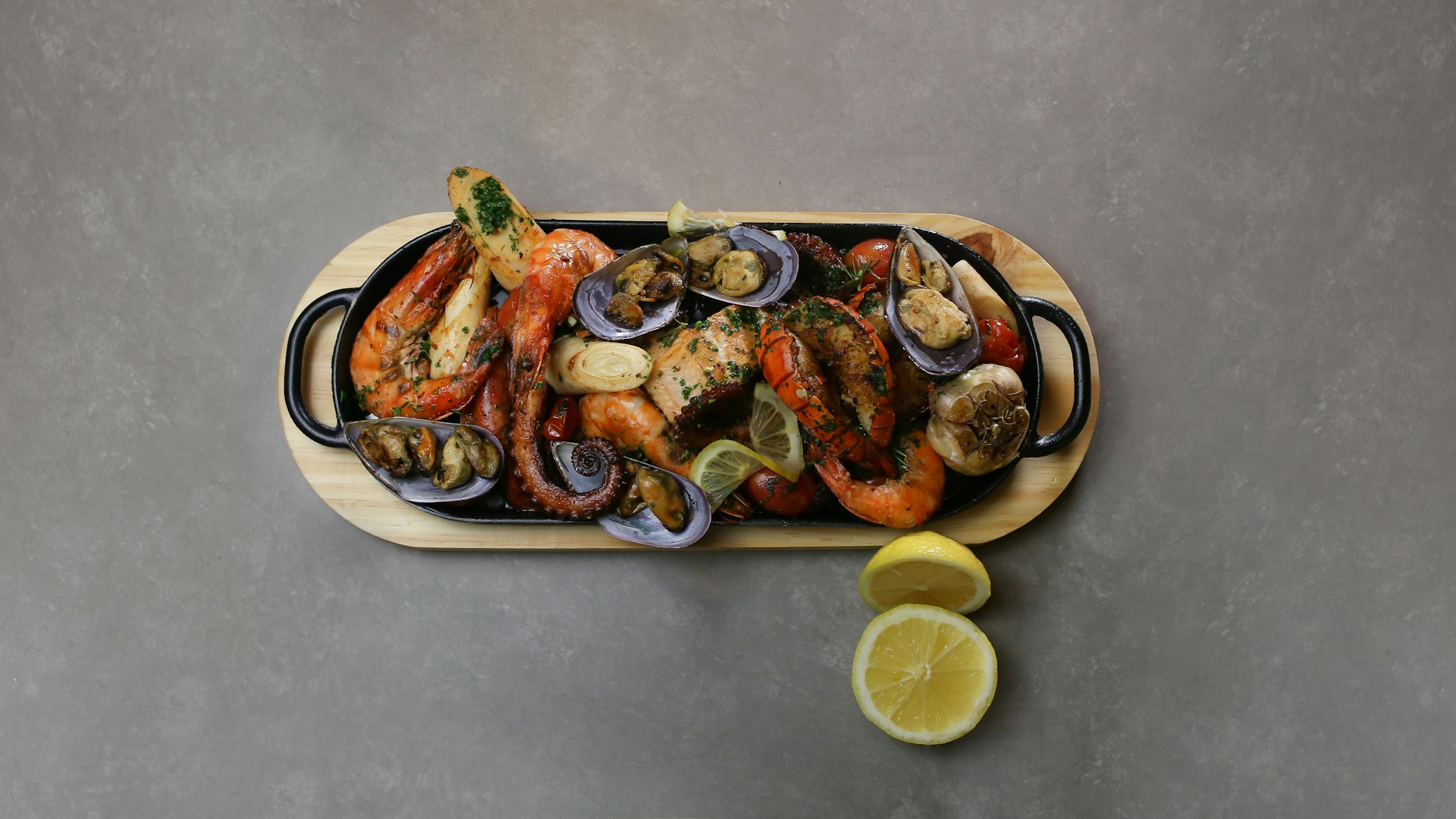
As we move toward 2026, the definition of “wholesome” is expanding to include convenience and sustainability. Dining experts predict a major pivot toward “snackified seafood,” driven by a desire for protein-rich bites that tell a story.
In Oakville, Connecticut, this trend is already taking shape. Hunter Peterson of Saugatuck Oyster Company points to a recent innovation by Zach Redin and Kate Truini: Asian shore crab brittle. Created using invasive crabs harvested for an “Eating with the Ecosystem” dinner, the dish was described by Peterson as “salty, caramelized, crunchy… the best brittle I’ve ever had.”
This enthusiasm aligns with broader data. A 2026 forecast by consumer intelligence platform Tastewise notes a 110% year-over-year increase in interest for savory “mini protein bombs.” Gen Z is leading the charge, with interest in seafood snacks up 23%. Tinned fish brands like Fishwife are seeing popularity surges, and chefs are taking note. David Standridge, executive chef at The Shipwright’s Daughter, says his team is leaning into the trend with skin crisps, sugar kelp chips, and locally sourced candied kelp. “Fish sticks are our favorite snack right now,” Standridge says.
The Renaissance of Tallow
Alongside the rise of marine snacks, 2026 is poised to bring a return to traditional animal fats. Tallow, or rendered beef fat, is gaining traction as a “good fat” comparable to avocado and olive oil, with Whole Foods identifying it as a top trend for the coming year.
The meat protein segment is currently outpacing plant-based alternatives, and chefs are rediscovering the culinary benefits of beef fat. At Mystic Fish Camp, Standridge has switched to tallow for all fryers. Inspired by traditional English fish-frying methods and seafood spots like Dune Brothers in Rhode Island, he tested tallow against canola oil and found the results undeniable. “It gives great flavor, especially to french fries, while producing a crispier product,” he notes. “Everyone preferred the beef tallow.”
From the enduring comfort of a bowl of lentils to the emerging crunch of crab brittle, the trajectory of global food culture suggests a future that values both the rustic traditions of the past and the innovative, protein-forward trends of tomorrow.