




Google’s Hardware Evolution: Fresh Pixel 11 Pro Leaks Surface as We Look Back at the Pixel 7a
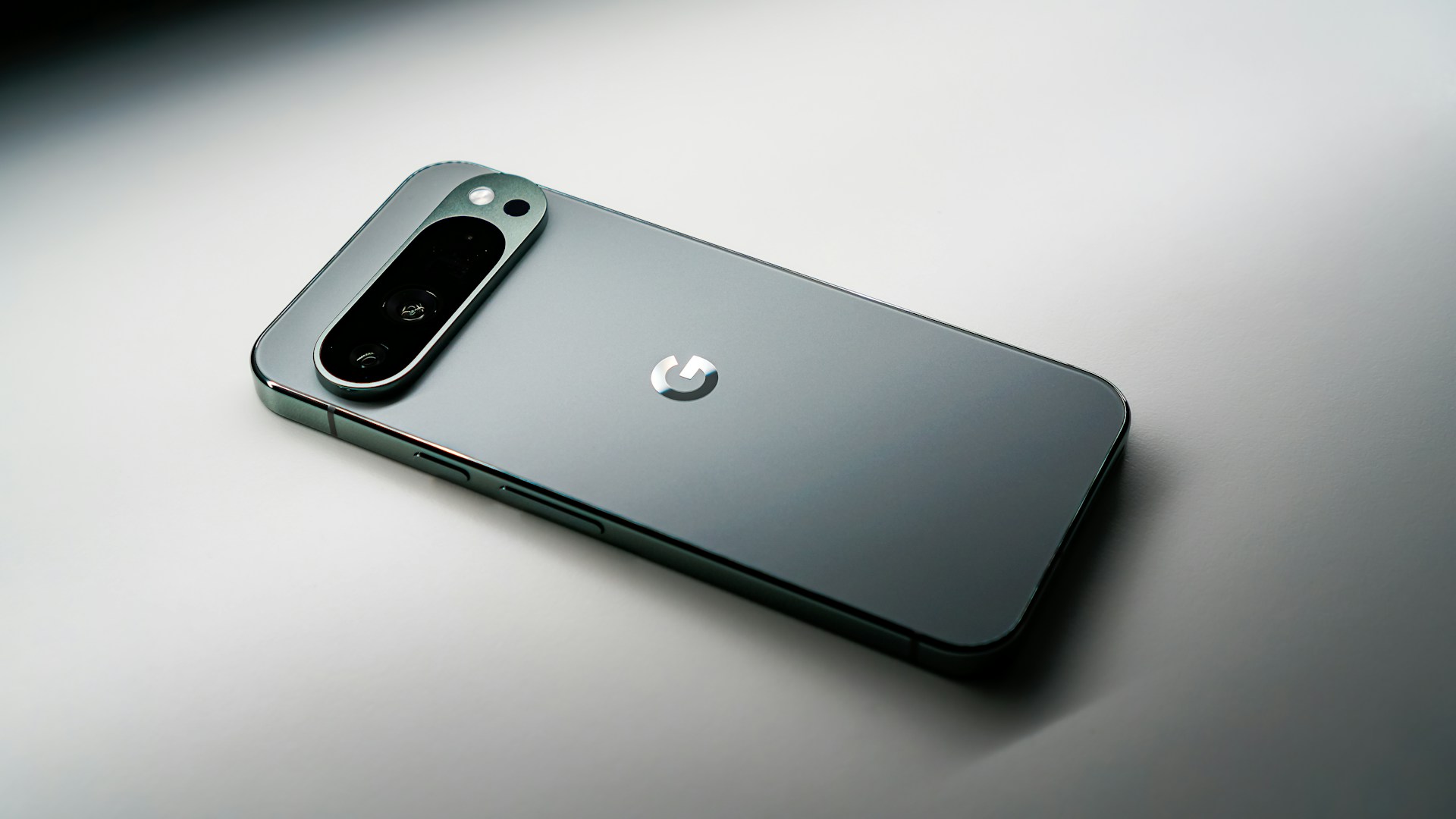
The smartphone rumor mill never sleeps, and right now, fresh details are trickling out about Google’s design plans for the upcoming Pixel 11 series. We’ve just gotten our hands on the first CAD-based renders showing what the tweaked Pixel 11 Pro will likely look like. French tipster Steven “OnLeaks” Hemmerstoffer teamed up with Android Headlines to drop these images, and an XL version leak is probably right around the corner.
Refining the Camera Bar
Google seems to be playing it pretty safe with the overall design this time around, opting for careful refinements over massive overhauls. The biggest noticeable change revolves around the camera module. The LED flash isn’t sitting in its own separate, color-matched cutout anymore. Instead, Google is tucking it right under the main camera glass, giving the whole setup a much cleaner, unified vibe. Because of this shift, the camera bar itself might actually get a tiny bit larger.
Goodbye Temperature Sensor, Hello Tensor G6
That new flash placement practically confirms another big rumor: Google is ditching the temperature sensor. First introduced on the Pixel 8 Pro, it turned out to be one of those features people barely remembered to use in their everyday lives, making it essentially dead weight. Aside from the camera housing tweaks, the heavily rounded corners are sticking around, and the physical footprint is barely shifting. You’re still looking at a 6.3-inch display, with the chassis shaving off just 0.1 millimeters in thickness and roughly 0.1 to 0.2 millimeters in height and width compared to its predecessor. Under the hood, however, things are getting a serious upgrade. The Pixel 11 Pro is expected to pack the brand-new Google Tensor G6 chip, featuring a seven-core CPU and a MediaTek modem. Expect a formal rollout sometime this summer.
Tracing the Roots of Google’s Strategy
While the tech world is busy looking ahead to the cutting-edge specs of the Pixel 11, it’s worth taking a step back to see how Google’s hardware strategy has evolved. Even though older devices are essentially ancient history now—having been completely superseded by the Pixel 8, the 8a, and the newly announced Pixel 9 and 9a series—the dynamic between the Pixel 7 and the Pixel 7a offers a fascinating glimpse into Google’s playbook. The A-series has always been famous for delivering incredible bang for your buck. When the 7a dropped in May 2023, roughly six months after the flagship Pixel 7, the two phones were so remarkably similar it almost felt like Google just wanted to give buyers a slightly smaller option without breaking the bank.
Weighing the Budget Compromises
Price was obviously the ultimate deciding factor back then. Starting at $500, the Pixel 7a came in a full hundred dollars cheaper than the standard Pixel 7. Despite the discount, it packed the exact same Tensor G2 chip, 8GB of RAM, identical software features, and roughly the same battery capacity. But going the budget route always requires a few strategic compromises. When you dug into the nitty-gritty of design and display, the differences became obvious. While the Pixel 7 sported a 6.3-inch screen, the 7a dropped down to 6.1 inches. Interestingly, the two phones were nearly the exact same physical size overall, purely because the 7a had noticeably thicker bezels.
Performance and Daily Use
For daily tasks and multimedia, both phones held their own, but power users noticed the divide. Gamers found that the standard Pixel 7 throttled less during heavy sessions, maintaining better peak performance. Build specs saw a slight bump on the flagship too, featuring an IP68 rating for water and dust resistance compared to the 7a’s IP67. Battery and charging were other areas where the cheaper model took a noticeable hit. The Pixel 7 juiced up faster on a cable, while wireless charging on the 7a was, quite frankly, depressingly slow. Finally, if you cared about shooting video, the standard 7 easily took the crown with vastly superior recording quality, even though still images and general audio quality remained impressive across both devices. Looking back at these exact trade-offs helps us appreciate just how far the Pixel lineup has come as we gear up for the Pixel 11 generation.