





Apple’s Massive March Blitz: From Budget MacBooks to a Game-Changing Wide Foldable
A Break from Tradition Apple is ripping up its usual playbook this week. Instead of hosting a traditional, highly choreographed keynote, the tech giant is launching a multi-day offensive packed with major product announcements. CEO Tim Cook teased a massive week ahead on social media, signaling a strategic shift aimed squarely at capturing new demographics. Through a series of staggered press releases leading up to exclusive “Apple Experience” hands-on events in New York, London, and Shanghai this Wednesday, Cupertino is heavily focusing on accessibility and affordability.
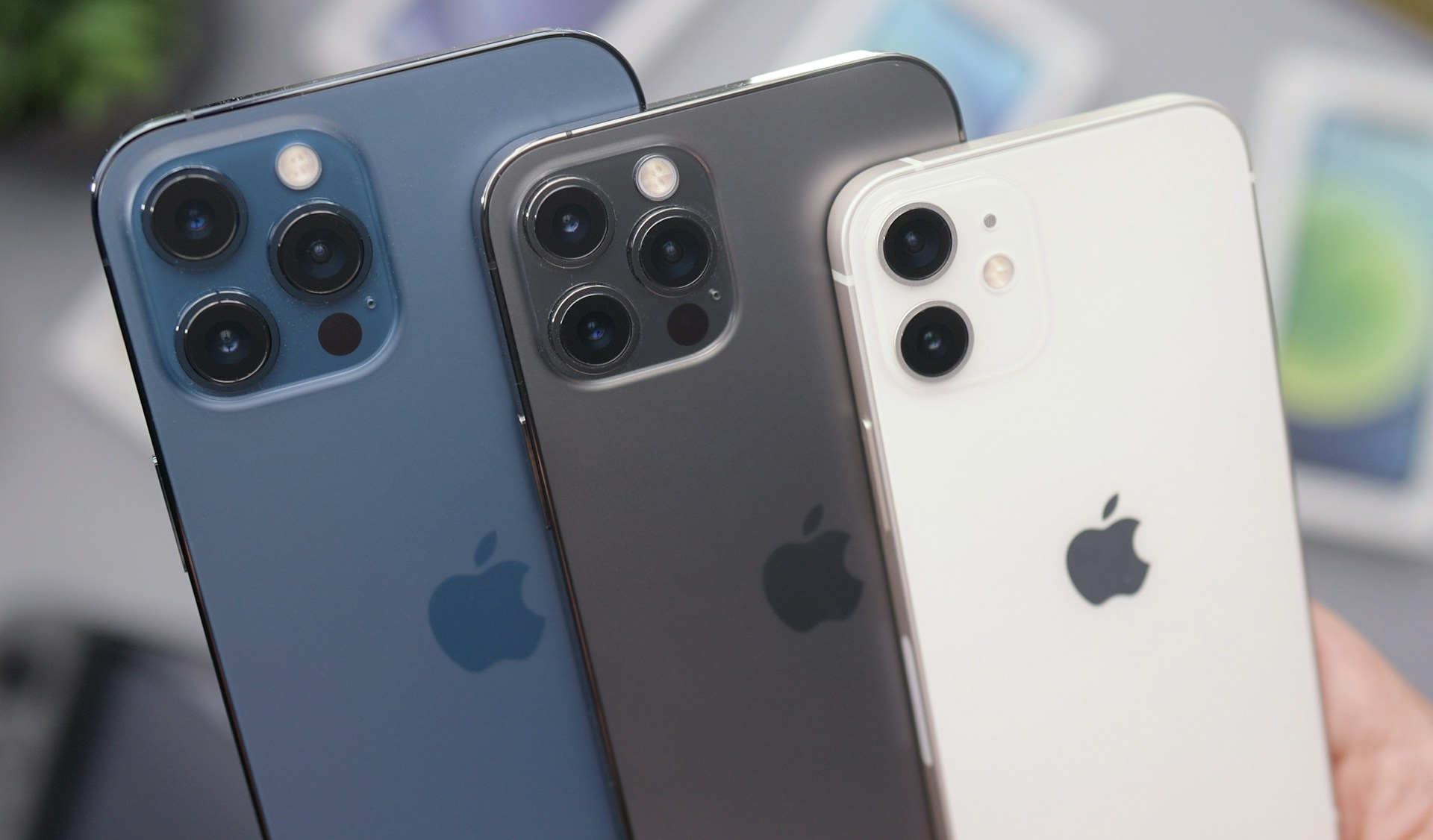
Lowering the Barrier to Entry The centerpiece of this spring push is a revitalized entry-level lineup. The highly anticipated iPhone 17e is stepping in to replace the 16e, and it’s bringing premium features down the pricing ladder. For the first time, budget-conscious buyers will get access to the Dynamic Island and the powerhouse A19 chip. Even more intriguing are the strong rumors surrounding a radically cheap MacBook. Industry analysts suggest Apple is utilizing an A-series chip—borrowed directly from the iPhone line—to aggressively control production costs. Slated to hit the market at a highly competitive price point, this entry-level laptop might require buyers to accept minor compromises, such as lower display brightness or the omission of keyboard backlighting, significantly lowering the financial hurdle to join the Mac ecosystem.
Iterative Updates for the Heavy Hitters Alongside these new budget-friendly options, established product lines are getting serious under-the-hood attention. The MacBook Air, along with the 14-inch and 16-inch MacBook Pro models, are expected to receive the next generation of Apple Silicon: the M5, M5 Pro, and M5 Max chips. While major design overhauls aren’t on the menu for these machines, the focus is entirely on raw computational power and energy efficiency. The iPad roster is also up for a refresh. The iPad Air is reportedly jumping to the M4 chip, while the 12th-generation base iPad could house either an A18 or A19 processor, ensuring a performance boost across the board.
Looking to the Fall: The iPhone 18 While this week is all about aggressive pricing and iterative spec bumps, the industry is already casting a long gaze toward September. Leaks indicate the flagship iPhone 18 Pro and Pro Max will introduce a highly refined design. By shrinking the Dynamic Island, Apple is pushing the device closer to a true, bezel-less display. Powering these premium handsets will be the cutting-edge A20 Pro chip, manufactured on an advanced 2-nanometer process. Interestingly, the standard “vanilla” iPhone 18 might be held back until early 2027.
Taking Cues for a Foldable Future The real showstopper slated for the fall, however, is Apple’s long-rumored entry into the foldable market. Taking a broad look at the tech landscape, companies frequently draw inspiration from one another, and Cupertino is no exception. While Samsung popularized the category with its Galaxy Z Fold and Z Flip series—turning bending screens from exotic novelties into established, albeit niche, devices—Apple’s first foldable is poised to look radically different. Production has reportedly already begun on a book-style device featuring a smaller outer screen and a sprawling 7.8-inch inner display. More importantly, Apple has supposedly cracked the notorious screen crease issue, aiming to deliver a practically seamless user experience.
The Era of the Wide Foldable Rather than adopting the square-like inner display of current Galaxy Z Folds or devices from Google and Vivo, rumors suggest the iPhone Fold will embrace a horizontally wider aspect ratio. Credit where it’s due: Huawei essentially pioneered this specific form factor with its Pura X. Though technically closer to a clamshell, the Pura X’s wider stance completely sets it apart. Because of strict US sanctions, however, Huawei’s devices—including a rumored China-exclusive second-generation Pura X—are a non-factor for American consumers, leaving a massive opening for Apple to dominate this new lane.
Why Aspect Ratio Matters The push for a wider footprint comes down to one crucial factor: media consumption. While a squarish screen works fine for general multitasking, it’s far from ideal for video enthusiasts. Binge-watching movies or YouTube clips makes substantially more sense on a natively wider display that minimizes letterboxing. Think of the difference between traditional foldables and wide foldables as the contrast between classic westerns and sprawling spaghetti westerns; they share DNA, but the viewing experience is fundamentally different. With Samsung also reportedly exploring the concept for a potential Galaxy Z Wide Fold, it’s clear the industry is shifting. Apple isn’t just arriving late to the foldable party; they might be the ones to define its next major era.